
Cold Storage Doors: Practical Solutions for Temperature-Controlled Environments
Cold storage doors are critical components in cold chain facilities, serving as the primary barrier that maintains temperature integrity, protects stored goods, and ensures operational efficiency. They are far more than ordinary doors—they are high-performance enclosures integrating insulation, airtight sealing, safety mechanisms, and often automation. This article provides a practical guide to understanding the main types of cold storage doors, key selection criteria, and essential maintenance practices.
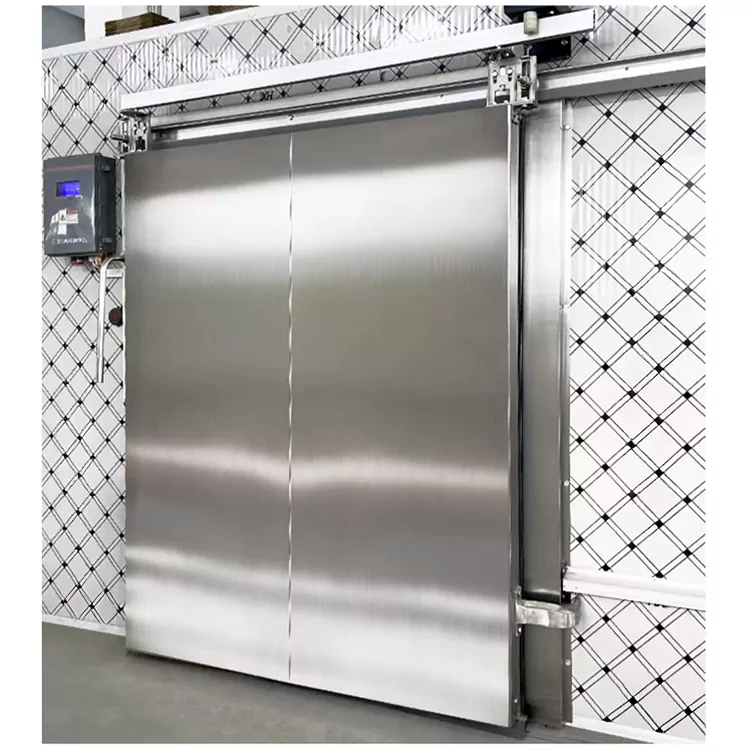
Main Types of Cold Storage Doors
Cold storage doors are classified primarily by their opening mechanism and application scenarios. Each type has its own strengths and ideal use cases.
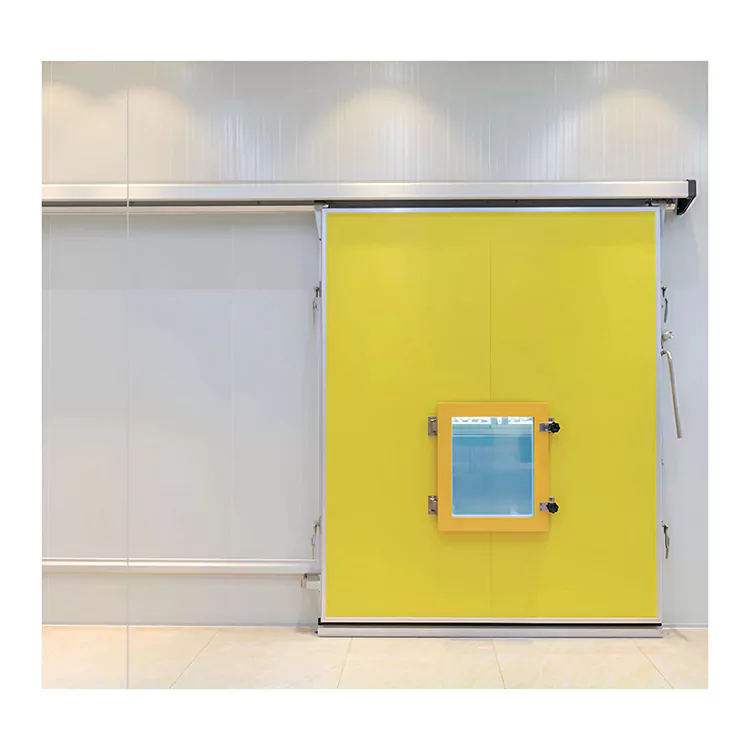
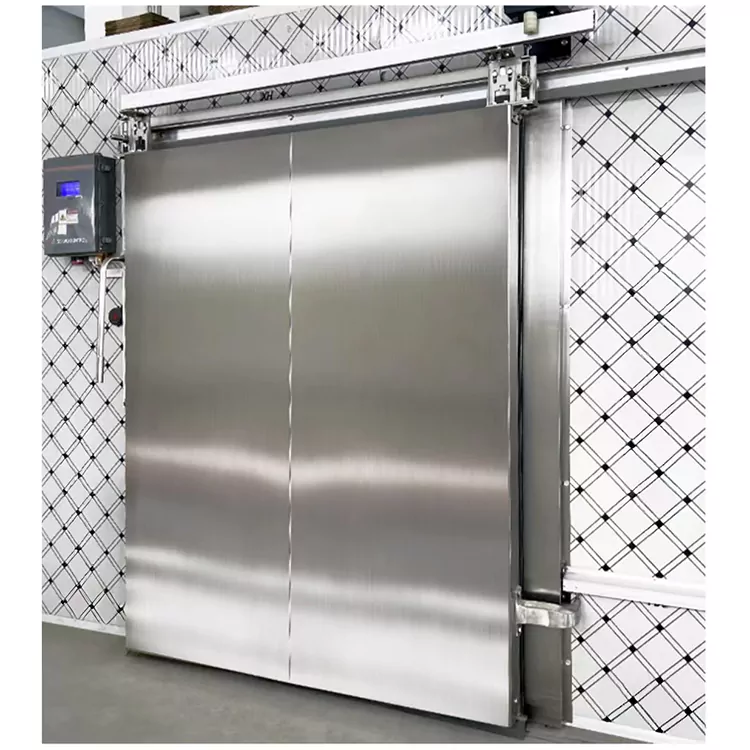
1. Sliding Doors (Horizontal Slide)
Sliding doors are the workhorse of medium-to-large cold storage facilities and high-traffic loading areas. The door panels slide horizontally along overhead tracks, requiring no swing space and significantly reducing the risk of impact damage from forklifts or pallet jacks.
-
Drive Options: Available in manual or electric versions.
-
Speed: Per technical standards, the opening/closing speed should generally not exceed 0.50 m/s for safety and mechanical longevity.
-
Best For: Warehouse aisles, logistics corridors, and any area with frequent forklift traffic.
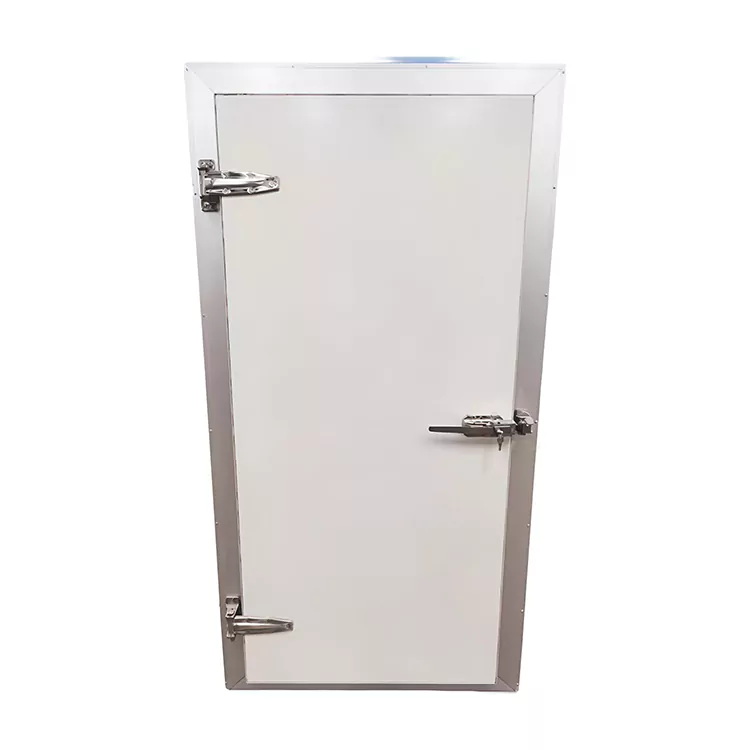
2. Hinged Swing Doors
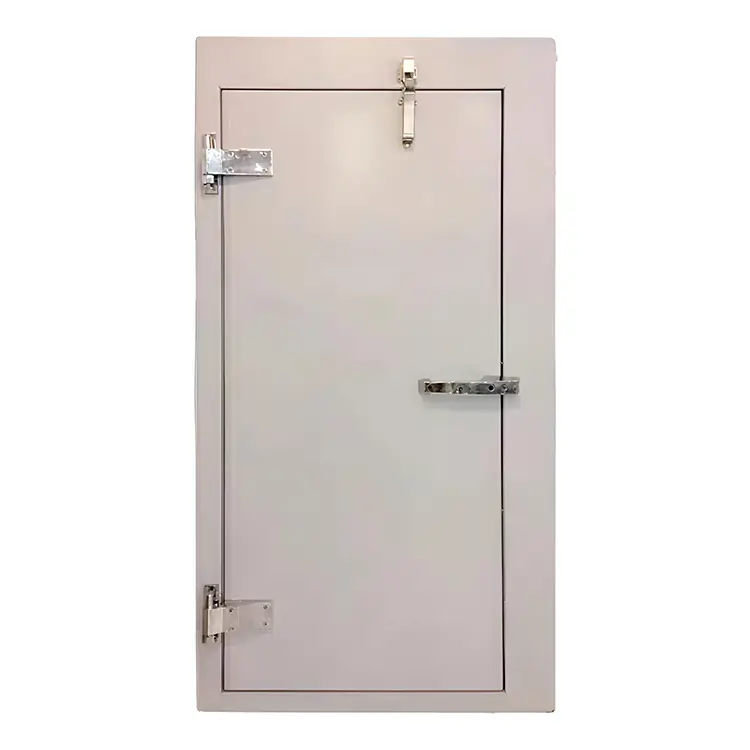
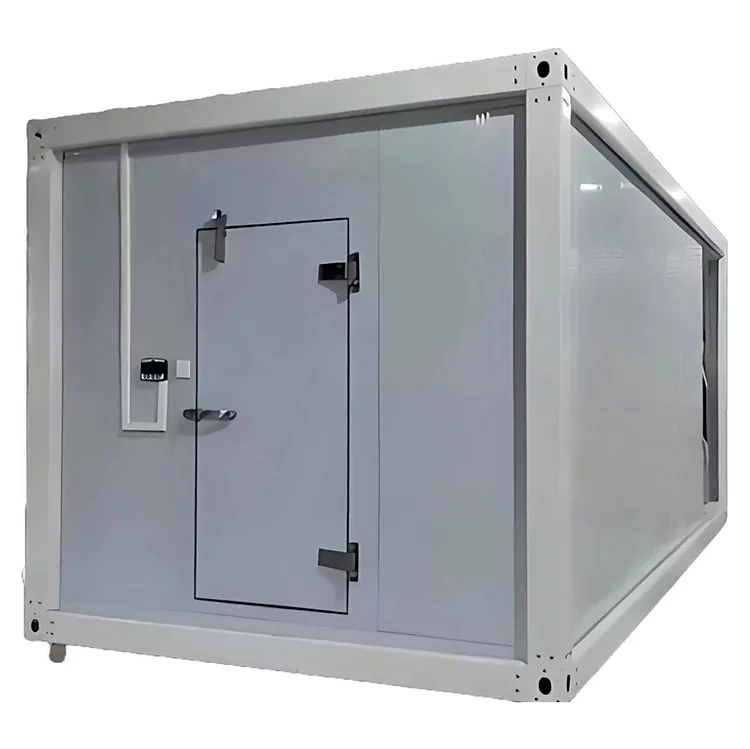
These are the simplest and most economical option, operating on conventional hinges.
-
Advantages: Simple construction, excellent sealing capability (when properly adjusted), low initial cost.
-
Disadvantages: Requires swing clearance both inside and outside the room; not suitable for busy forklift lanes; may cause collision damage in tight spaces.
-
Best For: Small door openings, personnel walkways, and low-traffic areas where space is not a constraint.
3. High-Speed Roll-Up Doors
These doors feature rapid opening and closing speeds of 1 to 2 m/s, minimizing cold air loss and warm air infiltration during frequent passage.
-
Key Features: Equipped with pinch protection sensors and automatic reset functionality for safety.
-
Best For: High-traffic logistics intersections where temperature retention and speed are both critical.
4. Vertical Lift and Folding Doors
These are used where side clearance is limited. The door panel lifts vertically or folds upward to open.
-
Requirement: Sufficient overhead clearance for tracks and door storage is essential.
-
Best For: Spaces with narrow sidewalls but adequate ceiling height.
Construction and Materials: The Core of Insulation and Sealing
The performance of a cold storage door depends fundamentally on its materials and construction.
Door Panel Insulation Core
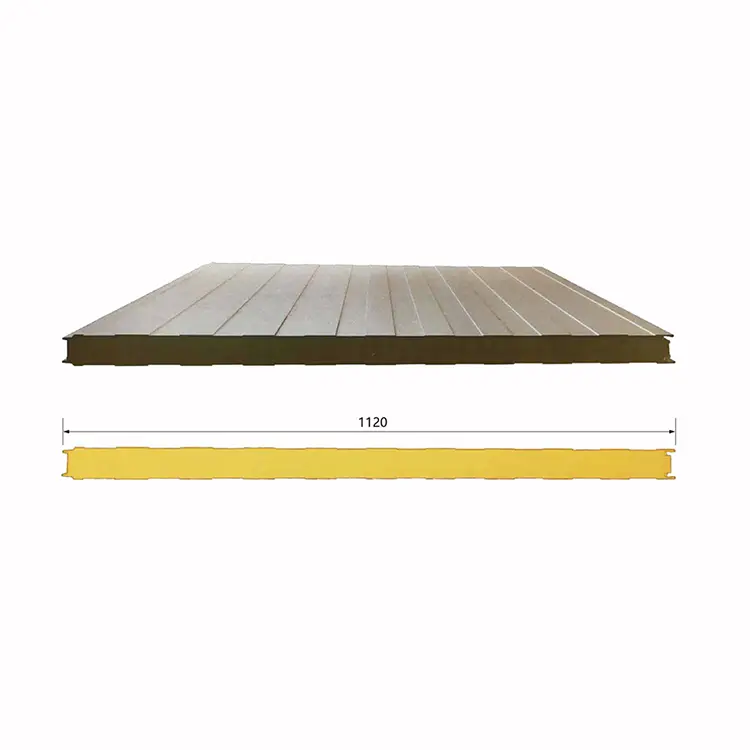
The core is typically made of rigid polyurethane (PU) or PIR foam, injected under high pressure into the panel cavity. The foam density should reach 40–45 kg/m³ to provide optimal thermal resistance.
Panel thickness varies by temperature application:
| Application | Temperature Range | Recommended Thickness |
|---|---|---|
| Chill/Cooler Storage | 0°C to 5°C | 90 mm |
| Freezer Storage | -18°C and below | 120 mm (90–140 mm depending on specifics) |
| Ultra-Low Temperature | Below -25°C | Custom, often 140 mm or more |
Panel Facings
The exterior skins are typically constructed from 0.8 mm thick 304 stainless steel or pre-coated galvanized steel. Stainless steel offers superior corrosion resistance and ease of cleaning, making it the preferred choice for food processing, pharmaceutical, and hygiene-sensitive industries.
Sealing System
Airtight seals are critical to prevent thermal leakage. Gaskets around the door frame are made from TPE (Thermoplastic Elastomer) or silicone rubber, rated for temperatures ranging from -75°C to 75°C. These materials remain flexible at low temperatures, ensuring a tight closure.
Anti-Frost Heating System
For freezer applications, electric heating wires must be embedded in the door frame and threshold to prevent the door from freezing shut.
-
Temperature Limit: Heating wire surface temperature should not exceed 70°C.
-
Redundancy: A backup heating circuit is strongly recommended to prevent door immobilization in case of primary heater failure.
-
Installation Depth: Threshold heating wires should be embedded at a depth of approximately 60 mm below the surface for effective heat distribution.
How to Select the Right Cold Storage Door
Choosing the appropriate door requires balancing multiple operational and economic factors.
Step 1: Define Your Operational Requirements
Traffic Frequency: High-frequency forklift traffic calls for sliding or high-speed roll-up doors; low-frequency personnel access suits hinged swing doors.Door Opening Size: Larger openings generally favor sliding or vertical lift designs.
Load Type: Consider whether goods are palletized, hand-carried, or conveyed by automated systems.
Step 2: Evaluate Temperature Conditions
Freezer Applications (-18°C and below): Mandatory electric heating on frame, threshold, and vision panels; insulation thickness of at least 120 mm.Chiller Applications (0°C to 5°C): Thinner panels (~90 mm) may suffice; heating is typically not required.
Ultra-Low / Blast Freezers: Consult with manufacturers for custom-engineered solutions with enhanced insulation and heating.
Step 3: Prioritize Safety and Emergency Provisions
-
Internal Emergency Release: All lockable cold storage doors must be equipped with an interior emergency release mechanism to prevent personnel from being trapped inside. This device should feature fluorescent signage and be subjected to a practical emergency drill at least once per year.
-
Anti-Pinch / Safety Sensors: Powered doors must incorporate infrared presence detectors, safety light curtains, or pneumatic safety edges that trigger an immediate stop or reverse motion upon encountering an obstacle.
Step 4: Consider Total Cost of Ownership (TCO)
While high-speed roll-up or automated sliding doors have higher upfront costs, they can deliver significant long-term savings in high-traffic applications by:
Reducing cold air loss and energy consumption.Minimizing maintenance frequency.
Decreasing product quality risks from temperature fluctuations.
Conversely, manual swing doors may be more cost-effective for low-traffic ancillary rooms.
Routine Maintenance and Care
Regular preventive maintenance is essential to ensure reliable performance and extend service life. A structured maintenance schedule is recommended.
Daily Checks (Before/After Each Use)
Inspect gaskets for cracks, frost buildup, or physical damage. Clear any ice accumulation from the sealing area.Clean tracks, rollers, and thresholds of debris, ice, and foreign objects to ensure smooth operation.
Visually confirm that heating elements are functioning (no excessive ice formation on frame or threshold).
Periodic Maintenance (Weekly to Quarterly)
Lubrication: Apply appropriate food-grade or low-temperature grease to hinges, tracks, rollers, and drive chains to reduce wear.Safety System Testing: Verify operation of photoelectric sensors, pinch protection, and emergency release mechanisms.
Hardware Inspection: Check and tighten all bolts, brackets, and fasteners that may loosen due to vibration from repeated operation.
Heater Verification: Measure current draw or temperature to ensure heating cables are working within specification.
Common Troubleshooting
| Symptom | Possible Cause | Action |
|---|---|---|
| Door stuck / won't open (freezer) | Heater failure, ice buildup | Check heater circuit; do not force open. Thaw with warm air if needed. |
| Poor sealing / visible frosting along edges | Gasket worn or door misaligned | Adjust door position or replace gasket. |
| Door operates sluggishly | Debris in tracks; worn rollers; low lubrication | Clean tracks; lubricate; replace worn components. |
| Auto-reverse not working | Sensor fault or obstruction | Clean sensor lenses; test and reset safety system. |
Conclusion
Selecting the right cold storage door is a matter of finding the optimal balance between thermal performance, mechanical durability, safety provisions, and operational frequency. A door that matches the specific demands of your facility will not only reduce energy waste and preserve product quality but also contribute to a safer and more productive working environment.
Key takeaways for successful selection and maintenance:
-
Match the door type to traffic frequency and available space.
-
Specify adequate insulation thickness and heating systems based on the lowest operating temperature.
-
Never compromise on safety—internal emergency releases and anti-pinch devices are non-negotiable.
-
Implement a routine maintenance schedule—a small investment in upkeep prevents costly failures.
Related News
- HANYORK Extruded Polystyrene Board Offers Advanced Closed-Cell Insulation for Construction, Cold Storage, and Industrial Use
- PIR Insulation Boards: A Practical Guide – Selection, Installation, and Common Pitfalls
- Is a Manual Sliding Cold Storage Door the Best Solution for Modern Refrigeration Facilities
- Is Containerized Mobile Cold Storage the Ultimate Solution for Flexible Refrigeration Needs
- What Makes Hook Type Insulation Panels the Best Choice for Modern Cold Storage and Industrial Buildings
- What Is a U Type Top Discharge Air Unit and Why Is It Essential for Modern Refrigeration Systems
Leave me a message