
What Makes Hook Type Insulation Panels the Best Choice for Modern Cold Storage and Industrial Buildings
Hook Type Insulation Panels are widely used in cold storage, food processing plants, pharmaceutical warehouses, and industrial buildings due to their excellent insulation performance, modular structure, and quick installation features. This comprehensive guide explains how hook-type panels work, their structure, advantages, applications, and why businesses increasingly choose them for energy-efficient construction. The article also explores technical specifications, installation methods, and maintenance considerations. With insights inspired by solutions from HANYORK, readers will gain a full understanding of how hook type insulation panels can optimize thermal performance, reduce energy costs, and improve operational efficiency.
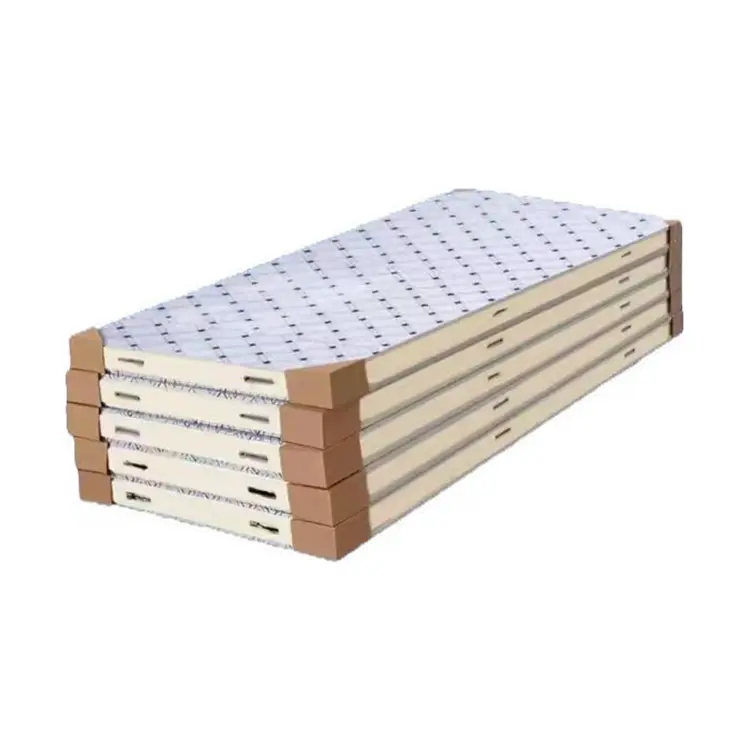
Table of Contents
- What Is a Hook Type Insulation Panel?
- How Does the Hook Lock System Work?
- Structure and Components of Hook Type Panels
- Key Advantages of Hook Type Insulation Panels
- Common Applications in Industry
- Hook Type Panels vs Traditional Insulation Panels
- Installation Process and Construction Efficiency
- Typical Technical Specifications
- How Hook Panels Improve Energy Efficiency
- Maintenance and Durability
- How to Choose a Reliable Hook Panel Supplier
- Frequently Asked Questions
What Is a Hook Type Insulation Panel?
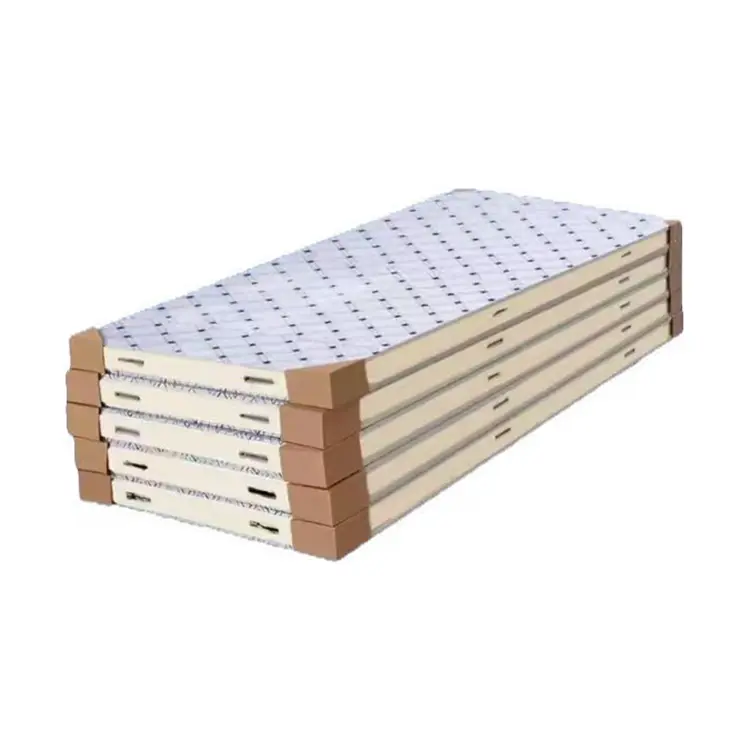
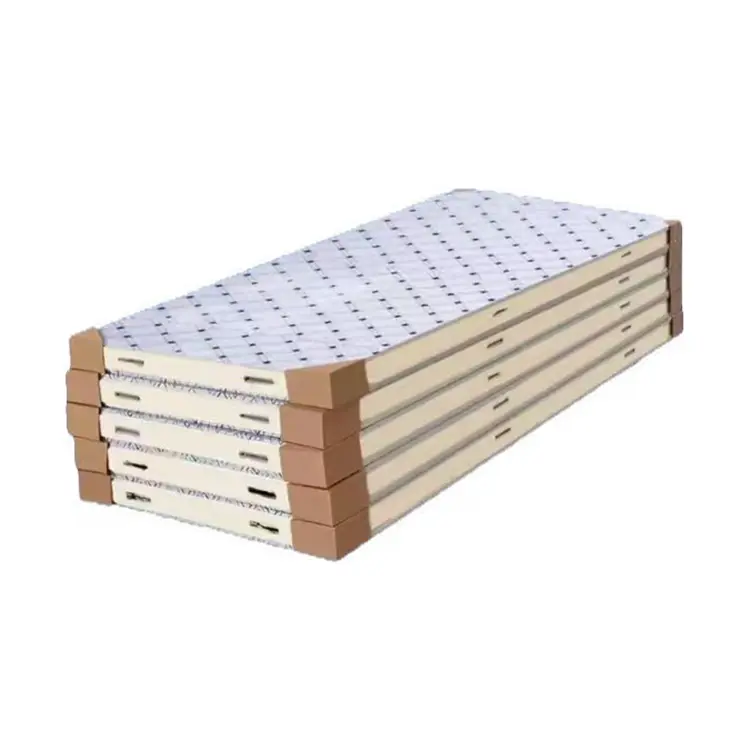
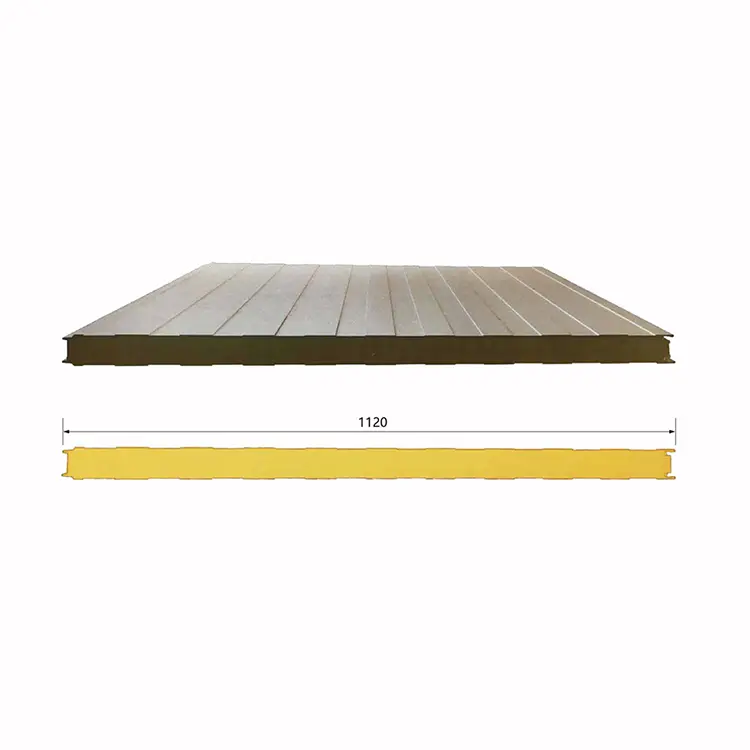
A Hook Type Insulation Panel is a specialized sandwich panel used in cold storage rooms, refrigeration warehouses, and insulated buildings. The panel consists of two metal sheets with a high-density insulation core between them, typically polyurethane (PU) or polyisocyanurate (PIR). What makes it unique is the built-in hook locking system, which connects panels tightly during installation.
Unlike traditional panels that require external fasteners, hook-type panels contain embedded cam-lock mechanisms. These hooks allow workers to quickly connect panels with special tools, creating an airtight and thermally efficient structure.
Manufacturers such as HANYORK have optimized this system to deliver panels that offer superior sealing performance, structural stability, and fast construction.
How Does the Hook Lock System Work?
The hook lock system is the key technology behind hook type insulation panels. Inside the panel edges, cam-lock connectors are pre-installed during manufacturing.
During installation:
- Panels are positioned side by side.
- A hex tool is inserted into the locking port.
- The cam-lock rotates and pulls the adjacent panel tightly.
- The panels become securely joined without external screws.
This mechanism ensures:
- Tight panel connections
- Minimal air leakage
- Improved insulation performance
- Faster construction
Structure and Components of Hook Type Panels
A typical hook type insulation panel consists of several important components:
| Component | Function | Material Options |
|---|---|---|
| Outer Metal Sheet | Provides mechanical strength and surface protection | Color steel, stainless steel, aluminum |
| Insulation Core | Prevents heat transfer | PU, PIR foam |
| Cam Lock Hook System | Connects panels securely | Galvanized steel mechanism |
| Panel Joint Seal | Ensures airtight connection | Foam gasket or sealant |
The combination of these elements ensures excellent thermal insulation and structural stability.
Key Advantages of Hook Type Insulation Panels
1. Excellent Thermal Insulation
Polyurethane foam has extremely low thermal conductivity, which helps maintain stable temperatures in cold rooms.
2. Fast Installation
The hook-lock system eliminates the need for external fasteners, reducing installation time significantly.
3. Superior Airtightness
Tightly connected panels prevent air leakage, ensuring efficient refrigeration.
4. Modular Construction
Panels can be easily assembled, disassembled, or expanded when the facility grows.
5. Long Service Life
High-quality metal skins and corrosion-resistant materials ensure durability for decades.
Common Applications in Industry
Hook type insulation panels are widely used across many industries.
- Cold storage warehouses
- Food processing plants
- Frozen logistics centers
- Pharmaceutical storage facilities
- Supermarket cold rooms
- Ice factories
- Refrigerated distribution centers
Cold storage facilities rely heavily on this technology because even small thermal leaks can significantly increase energy consumption.
Hook Type Panels vs Traditional Insulation Panels
| Feature | Hook Type Panel | Traditional Panel |
|---|---|---|
| Installation Speed | Very fast | Slower |
| Connection Method | Internal cam-lock hooks | Screws or external fasteners |
| Airtightness | Excellent | Moderate |
| Maintenance | Easy panel replacement | Difficult disassembly |
| Construction Efficiency | High | Lower |
For large cold storage projects, hook panels significantly reduce labor costs and installation time.
Installation Process and Construction Efficiency
The installation of hook type insulation panels usually follows these steps:
- Foundation preparation
- Floor insulation installation
- Wall panel assembly
- Hook lock connection
- Roof panel installation
- Sealing and finishing
Because panels lock together internally, installation teams can assemble large cold rooms much faster than traditional systems.
Typical Technical Specifications
| Specification | Typical Range |
|---|---|
| Panel Thickness | 50mm – 200mm |
| Insulation Material | Polyurethane (PU) |
| Thermal Conductivity | ≈0.022 W/m·K |
| Panel Width | 960mm – 1200mm |
| Metal Sheet Thickness | 0.4mm – 0.8mm |
These specifications may vary depending on the cold storage temperature requirements.
How Hook Panels Improve Energy Efficiency
Energy efficiency is one of the main reasons companies choose hook type insulation panels. Refrigeration systems consume significant electricity, and poor insulation can increase costs dramatically.
Hook panels help reduce energy consumption by:
- Preventing thermal bridges
- Maintaining consistent internal temperatures
- Reducing compressor workload
- Minimizing cold air leakage
Modern cold storage facilities designed with high-performance panels from manufacturers like HANYORK can achieve excellent energy efficiency ratings.
Maintenance and Durability
Hook type insulation panels require minimal maintenance. However, proper care ensures maximum lifespan.
Recommended practices include:
- Regular inspection of panel joints
- Checking seal integrity
- Cleaning external surfaces
- Preventing mechanical damage
If a panel becomes damaged, it can often be replaced individually without dismantling the entire structure.
How to Choose a Reliable Hook Panel Supplier
When selecting a supplier, consider the following factors:
- Manufacturing experience
- Insulation material quality
- Hook lock precision
- Customization capabilities
- Project support services
Experienced manufacturers like HANYORK provide tailored cold storage solutions and technical guidance to ensure optimal performance.
Frequently Asked Questions
1. What insulation material is used in hook type panels?
Most hook panels use high-density polyurethane foam because of its excellent thermal insulation performance.
2. Are hook type insulation panels waterproof?
Yes. The metal skins and sealed joints prevent moisture penetration and protect the insulation core.
3. How long do hook insulation panels last?
High-quality panels can last over 20–30 years with proper maintenance.
4. Can hook panels be reused?
Yes. Because of the modular locking system, panels can be disassembled and reused in new projects.
5. What industries commonly use hook type panels?
They are widely used in food storage, pharmaceutical logistics, seafood processing, and cold chain distribution.
Conclusion
Hook Type Insulation Panels have become an essential component of modern cold storage construction. Their advanced hook-lock technology ensures airtight connections, quick installation, and superior insulation performance. Compared with traditional panels, they provide better energy efficiency, easier installation, and greater flexibility for expansion.
As cold chain logistics continues to expand globally, the demand for reliable insulation solutions will only increase. Companies seeking high-performance insulated panel systems often rely on trusted manufacturers such as HANYORK to deliver durable and energy-efficient cold storage solutions.
If you are planning a cold storage project or looking for high-quality insulation panels, working with an experienced manufacturer can make all the difference. For customized solutions and professional guidance, feel free to contact us to learn more about advanced hook type insulation panel systems.
Related News
- HANYORK Extruded Polystyrene Board Offers Advanced Closed-Cell Insulation for Construction, Cold Storage, and Industrial Use
- Cold Storage Doors: Practical Solutions for Temperature-Controlled Environments
- PIR Insulation Boards: A Practical Guide – Selection, Installation, and Common Pitfalls
- Is a Manual Sliding Cold Storage Door the Best Solution for Modern Refrigeration Facilities
- Is Containerized Mobile Cold Storage the Ultimate Solution for Flexible Refrigeration Needs
- What Is a U Type Top Discharge Air Unit and Why Is It Essential for Modern Refrigeration Systems
Leave me a message