
What Is a PIR Insulation Panel and Why Is It Considered the Most Efficient Insulation Material Today
A PIR insulation panel is a high-performance thermal insulation material widely used in cold storage, industrial buildings, and energy-efficient construction projects. This article provides a comprehensive explanation of what PIR insulation panels are, how they work, their advantages over other insulation materials, application scenarios, technical specifications, and why they are increasingly considered the most efficient insulation solution today. If you are searching for a reliable, durable, and energy-saving insulation system, this guide will help you make an informed decision.
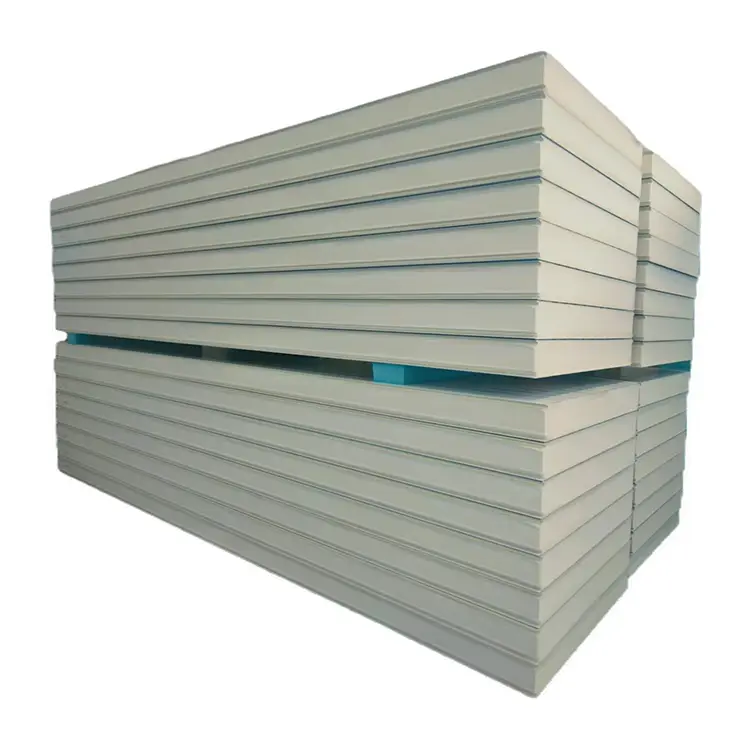
Table of Contents
- 1. What Is a PIR Insulation Panel?
- 2. How Does a PIR Insulation Panel Work?
- 3. PIR vs PU vs EPS: Which Insulation Panel Is Better?
- 4. Key Advantages of PIR Insulation Panels
- 5. Common Applications of PIR Insulation Panels
- 6. Technical Specifications and Performance Data
- 7. Installation Considerations and Best Practices
- 8. Why PIR Insulation Panels Are the Future of Energy-Efficient Construction
- 9. Frequently Asked Questions (FAQ)
1. What Is a PIR Insulation Panel?
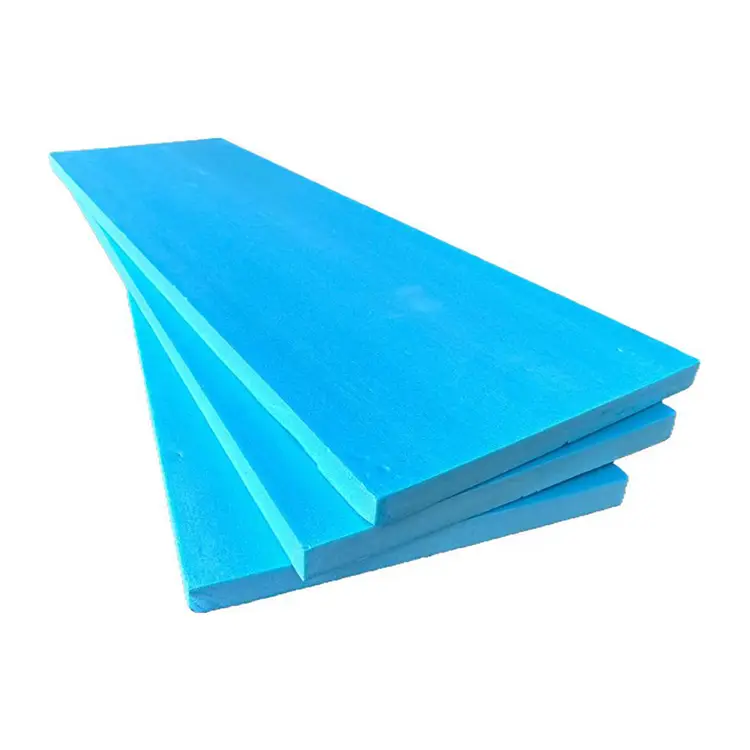
A PIR insulation panel, short for Polyisocyanurate Insulation Panel, is a rigid foam insulation board manufactured using polyisocyanurate foam as the core material. It is typically sandwiched between two protective facings such as pre-painted steel, stainless steel, aluminum foil, or fiberglass.
PIR insulation panels are designed to provide superior thermal insulation with minimal thickness, making them ideal for applications where space efficiency and energy performance are critical.
2. How Does a PIR Insulation Panel Work?
The effectiveness of a PIR insulation panel comes from its closed-cell foam structure, which traps gas molecules within the foam. These trapped gases significantly reduce heat transfer through:
- Conduction
- Convection
- Radiation
Thanks to its low thermal conductivity (λ-value), PIR insulation panels provide high thermal resistance even at thinner profiles, outperforming many traditional insulation materials.
3. PIR vs PU vs EPS: Which Insulation Panel Is Better?
| Property | PIR Panel | PU Panel | EPS Panel |
|---|---|---|---|
| Thermal Conductivity | Very Low | Low | Moderate |
| Fire Resistance | Excellent | Moderate | Poor |
| Moisture Resistance | High | Medium | Low |
| Service Life | Long | Medium | Short |
Compared to PU and EPS, PIR insulation panels offer better fire performance, higher thermal efficiency, and longer durability, making them the preferred choice for modern construction.
4. Key Advantages of PIR Insulation Panels
- Outstanding thermal insulation efficiency
- Excellent fire resistance and low smoke emission
- Lightweight yet structurally strong
- Moisture and vapor resistance
- Long service life with minimal maintenance
- Environmentally friendly and energy-saving
Manufacturers like HANYORK have further optimized PIR panel formulations to meet strict international standards for cold storage and industrial insulation.
5. Common Applications of PIR Insulation Panels
PIR insulation panels are widely used across multiple industries:
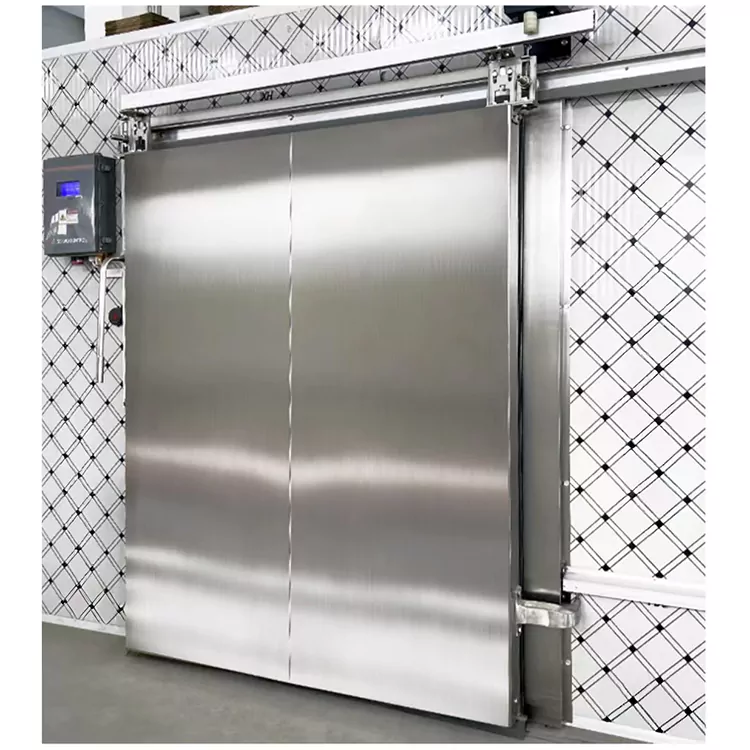
- Cold storage and freezer rooms
- Food processing plants
- Pharmaceutical warehouses
- Clean rooms and laboratories
- Industrial and commercial buildings
- Energy-efficient residential construction
6. Technical Specifications and Performance Data
| Parameter | Typical Value |
|---|---|
| Density | 40–45 kg/m³ |
| Thermal Conductivity | ≤ 0.022 W/m·K |
| Fire Rating | B-s1, d0 (EN standard) |
| Panel Thickness | 50–200 mm |
7. Installation Considerations and Best Practices
To maximize performance, proper installation is essential:
- Ensure airtight joint sealing
- Use compatible fastening systems
- Avoid thermal bridges
- Follow manufacturer guidelines
Professional installation ensures the long-term efficiency and safety of PIR insulation panels.
8. Why PIR Insulation Panels Are the Future of Energy-Efficient Construction
With rising energy costs and stricter environmental regulations, PIR insulation panels offer a future-proof solution. Their high insulation performance helps reduce energy consumption, lower operational costs, and minimize carbon emissions.
As a trusted supplier, HANYORK continues to deliver high-quality PIR insulation panels that meet global energy-efficiency demands.
9. Frequently Asked Questions (FAQ)
Q1: Are PIR insulation panels environmentally friendly?
Yes. PIR panels reduce energy consumption and have a long service life, contributing to sustainability.
Q2: Can PIR insulation panels be used in extreme cold environments?
Absolutely. They are specifically designed for cold storage and low-temperature applications.
Q3: How long do PIR insulation panels last?
When properly installed, PIR panels can last over 30 years with minimal performance degradation.
Q4: Are PIR panels safe in case of fire?
PIR panels offer superior fire resistance compared to PU and EPS panels.
If you are looking for a reliable, high-performance insulation solution for your next project, PIR insulation panels are the smart choice. Partner with experienced manufacturers like HANYORK to ensure quality, safety, and long-term energy savings.
To learn more about customized PIR insulation solutions or to request technical support, contact us today and let our experts help you achieve the best insulation performance.
Related News
- Cold Storage Doors: Practical Solutions for Temperature-Controlled Environments
- PIR Insulation Boards: A Practical Guide – Selection, Installation, and Common Pitfalls
- Is a Manual Sliding Cold Storage Door the Best Solution for Modern Refrigeration Facilities
- Is Containerized Mobile Cold Storage the Ultimate Solution for Flexible Refrigeration Needs
- What Makes Hook Type Insulation Panels the Best Choice for Modern Cold Storage and Industrial Buildings
- What Is a U Type Top Discharge Air Unit and Why Is It Essential for Modern Refrigeration Systems
Leave me a message