
Why Are Rock Wool Panels the Ultimate Choice for Thermal and Fire Insulation
Summary: Rock wool panels, also known as stone wool insulation boards, are widely recognized for their excellent thermal, acoustic, and fire-resistant properties. This blog dives deep into their benefits, applications, types, installation methods, and maintenance tips. We'll also explore why HANYORK's rock wool panels stand out in the global market.
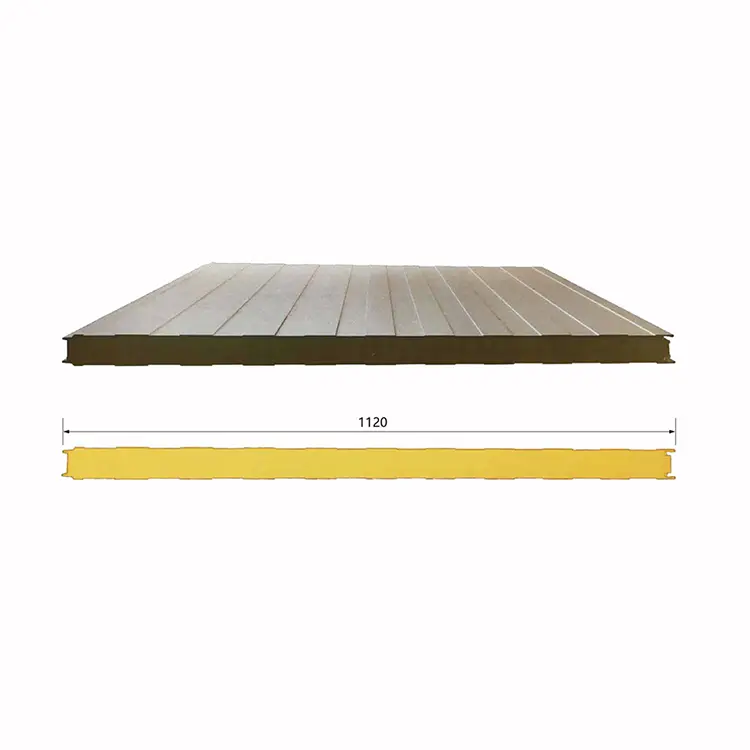
Table of Contents
- Introduction to Rock Wool Panels
- Key Benefits of Rock Wool Panels
- Different Types of Rock Wool Panels
- Applications in Industry and Construction
- Installation Guidelines
- Maintenance and Longevity
- FAQ About Rock Wool Panels
- Conclusion
Introduction to Rock Wool Panels
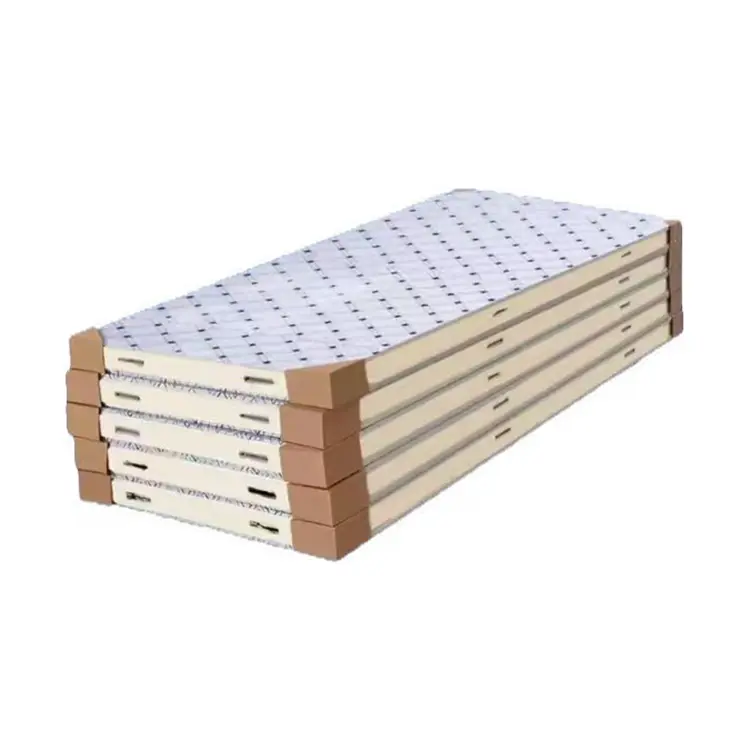
Rock wool panels, often referred to as stone wool boards, are an eco-friendly insulation material derived from natural basalt rock. They are manufactured through a high-temperature melting process, where molten rock is spun into fibers and formed into panels of varying thicknesses and densities.
These panels are widely utilized for their thermal insulation, soundproofing, and fire-resistant properties. HANYORK has emerged as a trusted manufacturer, delivering high-quality rock wool panels suitable for both industrial and residential applications.
Key Benefits of Rock Wool Panels
Rock wool panels offer numerous advantages that make them a preferred choice for insulation:
- Thermal Insulation: Excellent ability to resist heat transfer, reducing energy consumption.
- Fire Resistance: Naturally non-combustible, can withstand temperatures above 1000°C.
- Soundproofing: Superior acoustic absorption reduces noise pollution.
- Durability: Resistant to mold, mildew, and pests.
- Eco-Friendly: Made from natural and recyclable materials.
Comparison with Other Insulation Materials
| Property | Rock Wool Panel | Fiberglass | EPS Foam |
|---|---|---|---|
| Thermal Insulation | Excellent | Good | Good |
| Fire Resistance | High | Medium | Low |
| Soundproofing | High | Medium | Low |
| Durability | High | Medium | Medium |
| Eco-Friendly | Yes | Partially | No |
Different Types of Rock Wool Panels
Rock wool panels can be customized based on density, thickness, and surface treatment. Common types include:
- Standard Rock Wool Panels: Suitable for general insulation in walls and ceilings.
- High-Density Panels: Designed for industrial and acoustic applications.
- Fireproof Panels: Optimized for maximum fire resistance in critical areas.
- Faced Panels: Covered with aluminum foil or kraft paper for moisture resistance and easy installation.
Applications in Industry and Construction
Rock wool panels are versatile and find applications across multiple sectors:
- Construction: Insulating walls, ceilings, and roofs in residential and commercial buildings.
- Industrial: Insulating boilers, furnaces, and pipelines.
- Acoustic Panels: Soundproofing rooms, studios, and theaters.
- Fire Safety: Enhancing fire protection in high-risk zones.
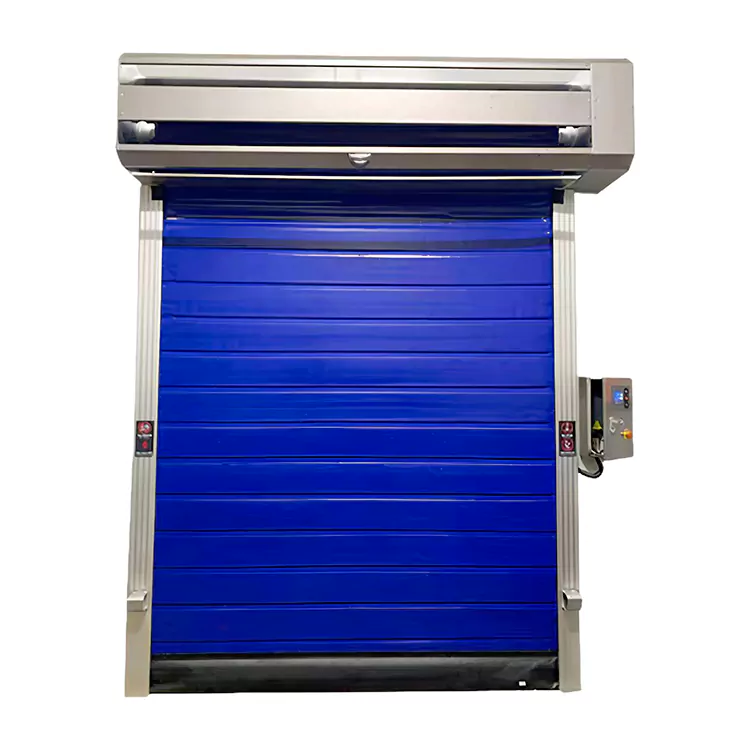
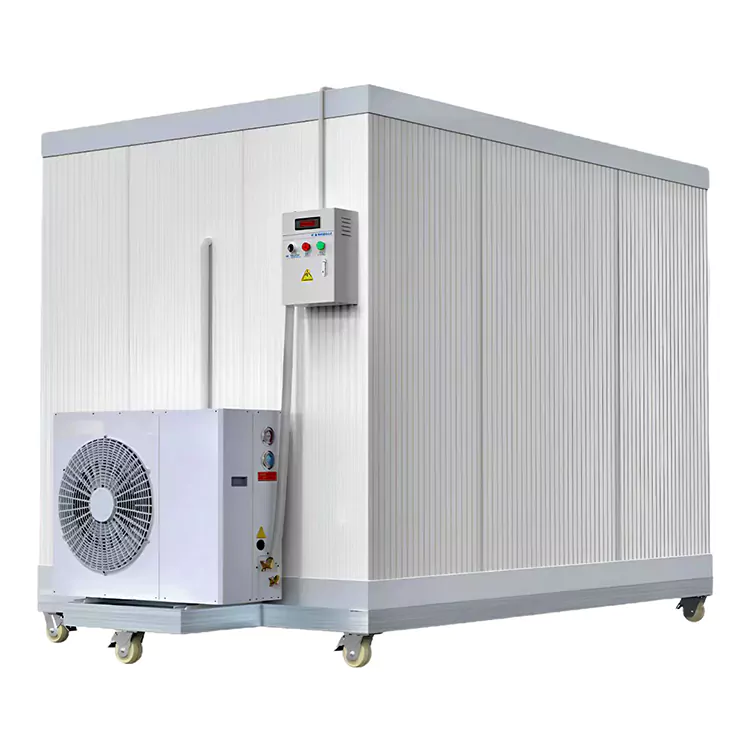
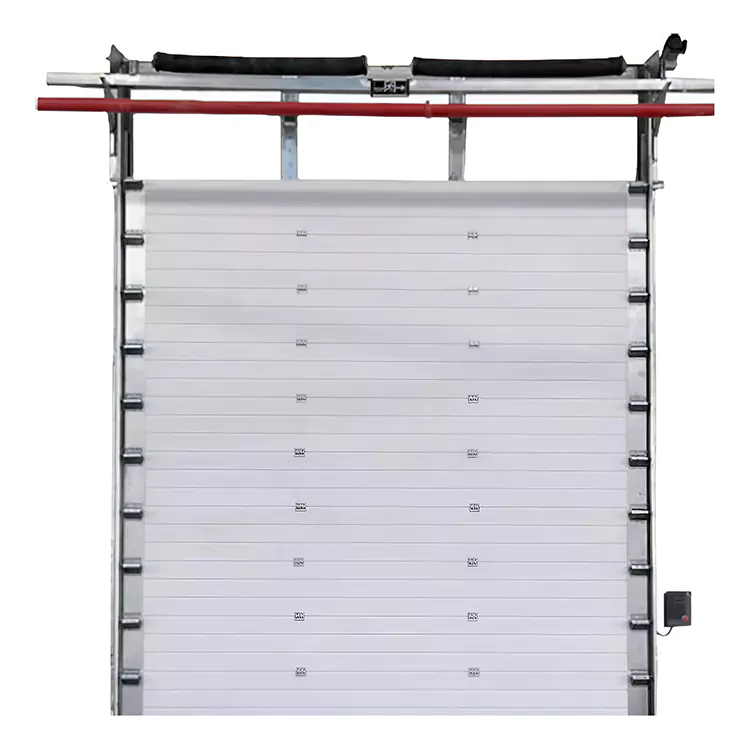
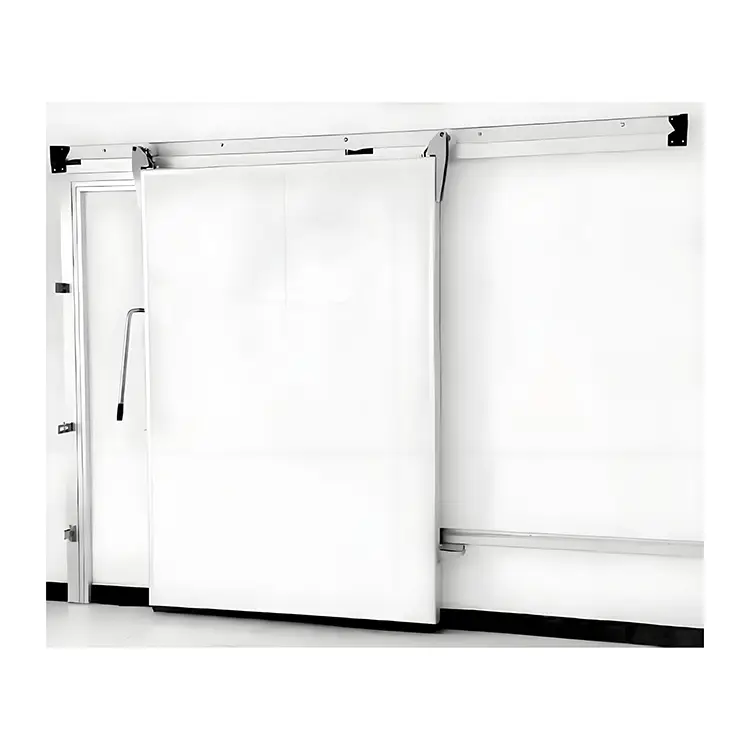
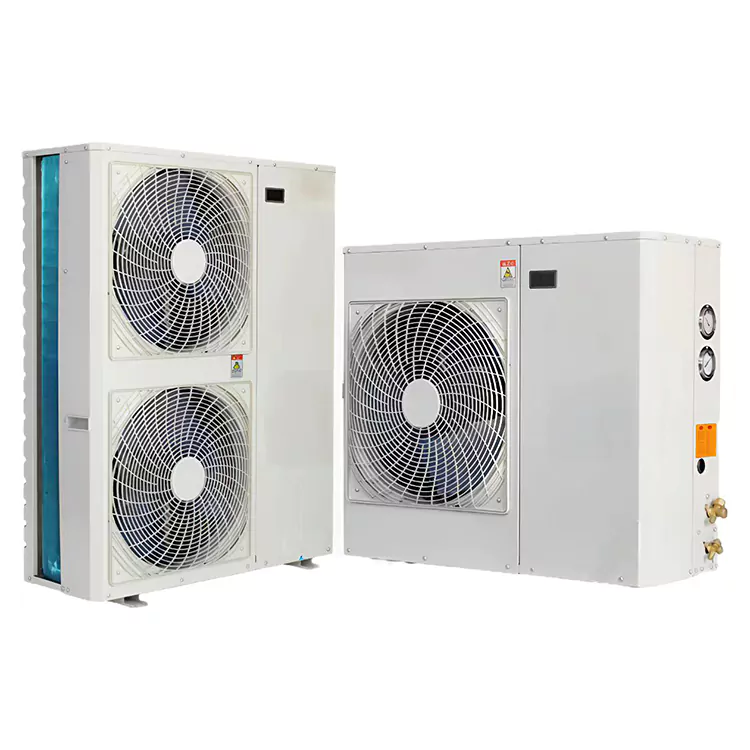
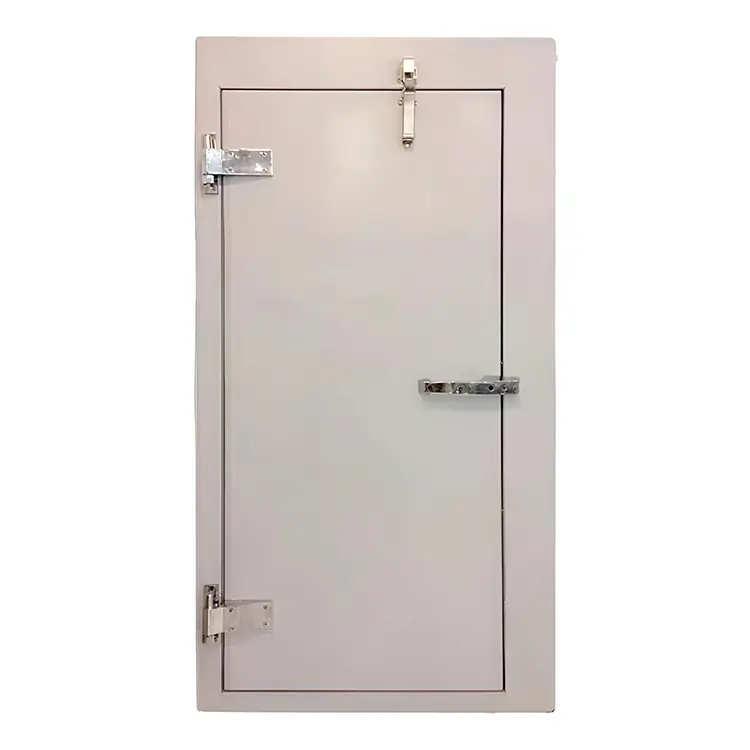
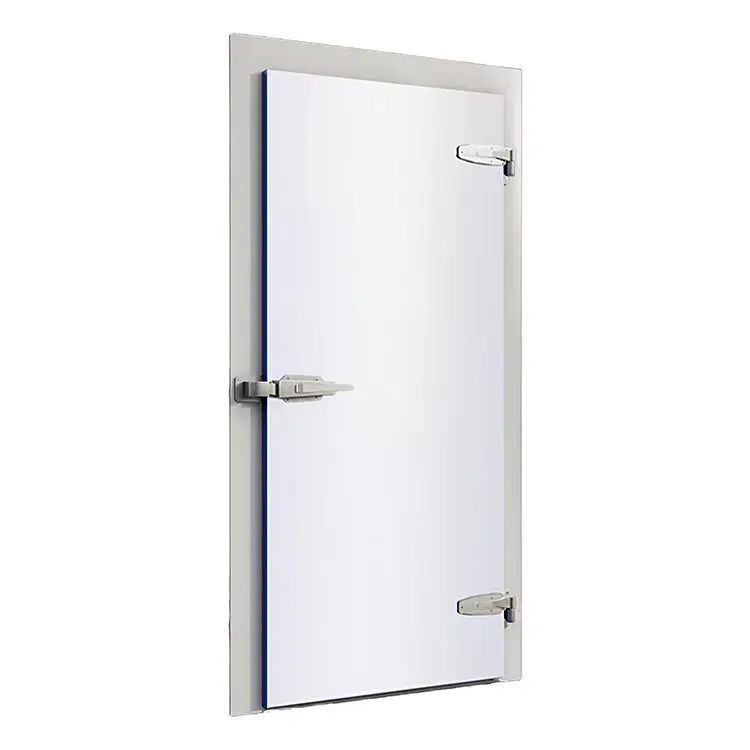
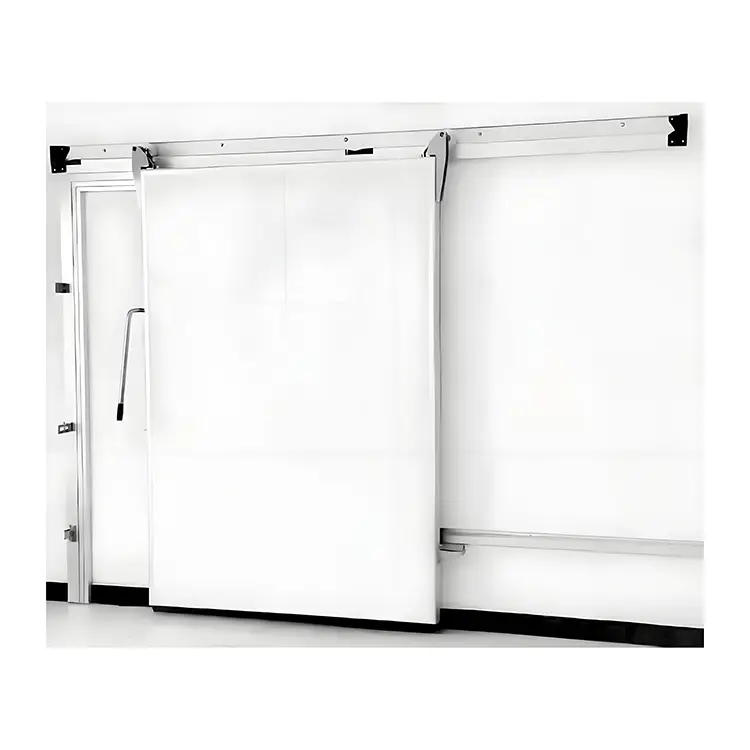
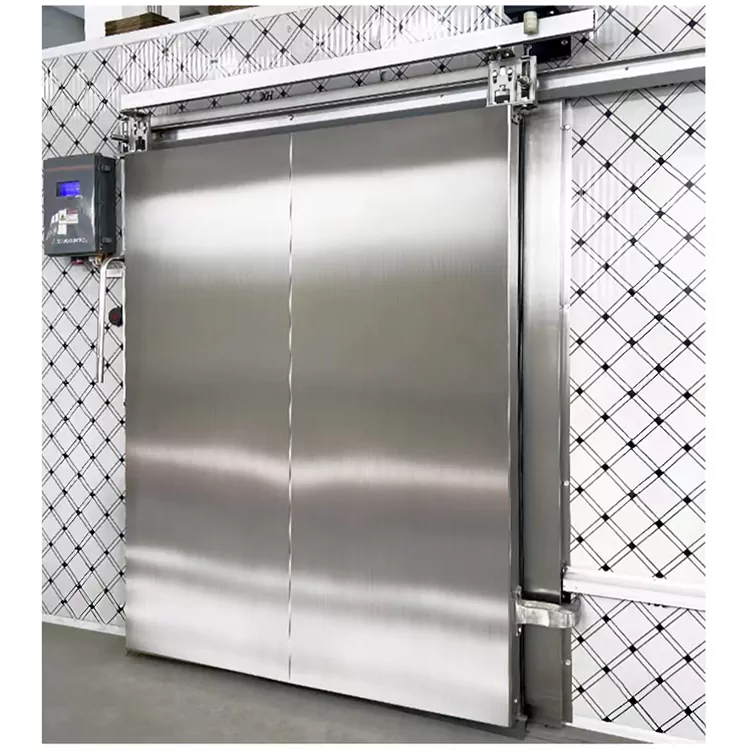
For example, in commercial cold storage facilities, HANYORK's rock wool panels are used to maintain temperature efficiency while ensuring safety against fire hazards.
Installation Guidelines
Proper installation ensures optimal performance and longevity of rock wool panels. Key steps include:
- Preparation: Ensure the surface is clean and free from moisture or debris.
- Measuring and Cutting: Panels should be cut accurately to fit the space without gaps.
- Fixing: Use mechanical fasteners or adhesives as recommended by the manufacturer.
- Sealing: Seal joints with fire-resistant tape to prevent thermal leaks.
- Finishing: Apply surface treatments like plaster or protective cladding if needed.
Maintenance and Longevity
Rock wool panels are low-maintenance, but proper care enhances their lifespan:
- Inspect for moisture or water damage periodically.
- Check for gaps or displacement after construction vibrations.
- Keep panels free from pests or rodents.
- Replace any damaged panels immediately to maintain insulation efficiency.
Frequently Asked Questions (FAQ)
1. Are rock wool panels fireproof?
Yes, rock wool panels are non-combustible and can withstand extremely high temperatures, making them ideal for fireproofing applications.
2. Can rock wool panels be used outdoors?
Yes, but they should be protected with weather-resistant facings or cladding to prevent moisture penetration.
3. How thick should rock wool panels be for home insulation?
Thickness varies based on climate and building codes, typically ranging from 50mm to 150mm for walls and ceilings.
4. Are rock wool panels eco-friendly?
Absolutely. Made from natural basalt rock and recycled materials, they are sustainable and recyclable.
5. How do rock wool panels compare with fiberglass?
Rock wool panels offer superior fire resistance, soundproofing, and durability compared to fiberglass, although both provide thermal insulation.
Conclusion
Rock wool panels are a high-performance, versatile, and sustainable solution for insulation, fire safety, and soundproofing. Whether used in industrial settings, commercial buildings, or residential homes, their superior properties make them an invaluable choice. HANYORK continues to lead in providing top-quality rock wool panels tailored to diverse applications.
For more information or to place an order, contact us today and experience the difference with HANYORK's premium rock wool panels.
Related News
- HANYORK Extruded Polystyrene Board Offers Advanced Closed-Cell Insulation for Construction, Cold Storage, and Industrial Use
- Cold Storage Doors: Practical Solutions for Temperature-Controlled Environments
- PIR Insulation Boards: A Practical Guide – Selection, Installation, and Common Pitfalls
- Is a Manual Sliding Cold Storage Door the Best Solution for Modern Refrigeration Facilities
- Is Containerized Mobile Cold Storage the Ultimate Solution for Flexible Refrigeration Needs
- What Makes Hook Type Insulation Panels the Best Choice for Modern Cold Storage and Industrial Buildings
Leave me a message